Which form of the Cyrillic lowercase ghe with a stroke (uni0493) is preferable in the italics?

Stefan Peev
Posts: 106
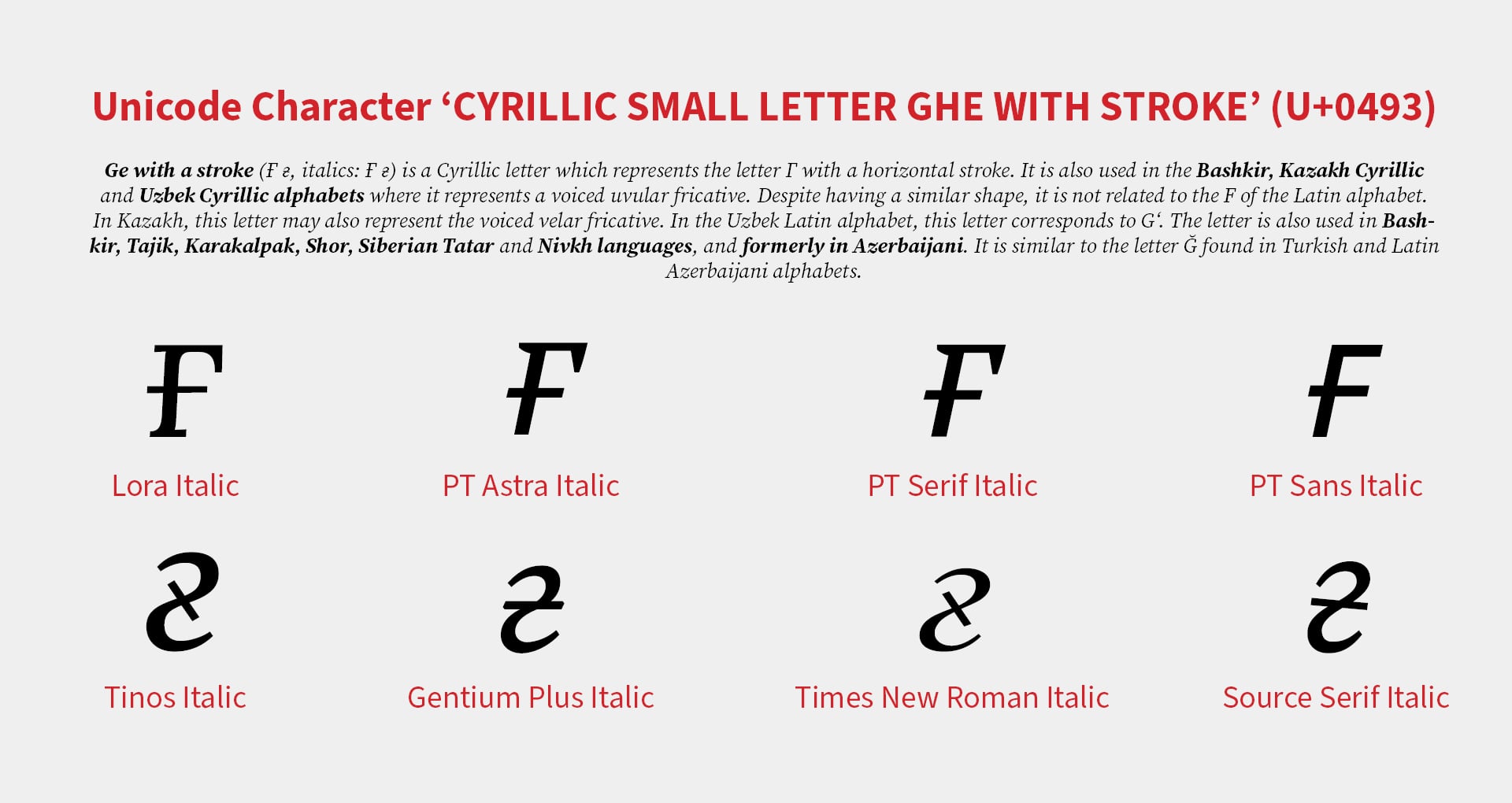
Here are some semples of the Cyrillic lowercas ghe with a stroke (uni0493). Which one is more correct for the italic style?
Tagged:
1
Answers
-
Here is a note just in case there is no clear suggestion about this letter.
While writing the article about Serbian Cyrillic, I found out some areas that were not precisely established, either in theory or in practice. I guess that there are even more such areas in Cyrillic languages with a smaller number of speakers.
My approach there was to follow a general type design logic (what is optically better). At least until a clear, relevant suggestion appears.
In other words, that is an opportunity to establish a solution with better design, in practice. In this case, I would prefer a solution with an angled slash, because it uses a white space better, and avoids a clogged crossing and broken diagonal (famous "X optical issue").
On the other side, that also depends on the /ghe shape. In your example, too angled a slash would touch the /ghe terminals. But anyway, whatever optically works best.0 -
The cursive form with flatter bar is what I am most used to seeing (so like Gentium and Source Serif). The Tinos and Times versions look wrong to me: this is a barred letter, and their little slashes are too light and too far off the horizontal. That said, I agree with Igor that some aspects of Cyrillic typography are not firmly established.
The sloped non-cursive forms as in the top row can work in a sans serif with general sloped upright approach, but I think look weird alongside a cursive un-barred /ghe. Either the italic is cursive or it isn’t.4 -
And this is not surprising. The natural development of the Cyrillic was brutally halted in the 17th century.John Hudson said:I agree with Igor that some aspects of Cyrillic typography are not firmly established.0 -
Michael Rafailyk said:
And this is not surprising. The natural development of the Cyrillic was brutally halted in the 17th century.John Hudson said:I agree with Igor that some aspects of Cyrillic typography are not firmly established.
I just checked; Peter the Great's edict changing how Russian was written took place in 1708, which would place it in the early part of the 18th Century. Or are you possibly referring to another event?0 -
@John Savard you are correct — 18th Century. I started writing a year but changed my mind to writing a century ...from the phone, on a party, and Voilà...0
-
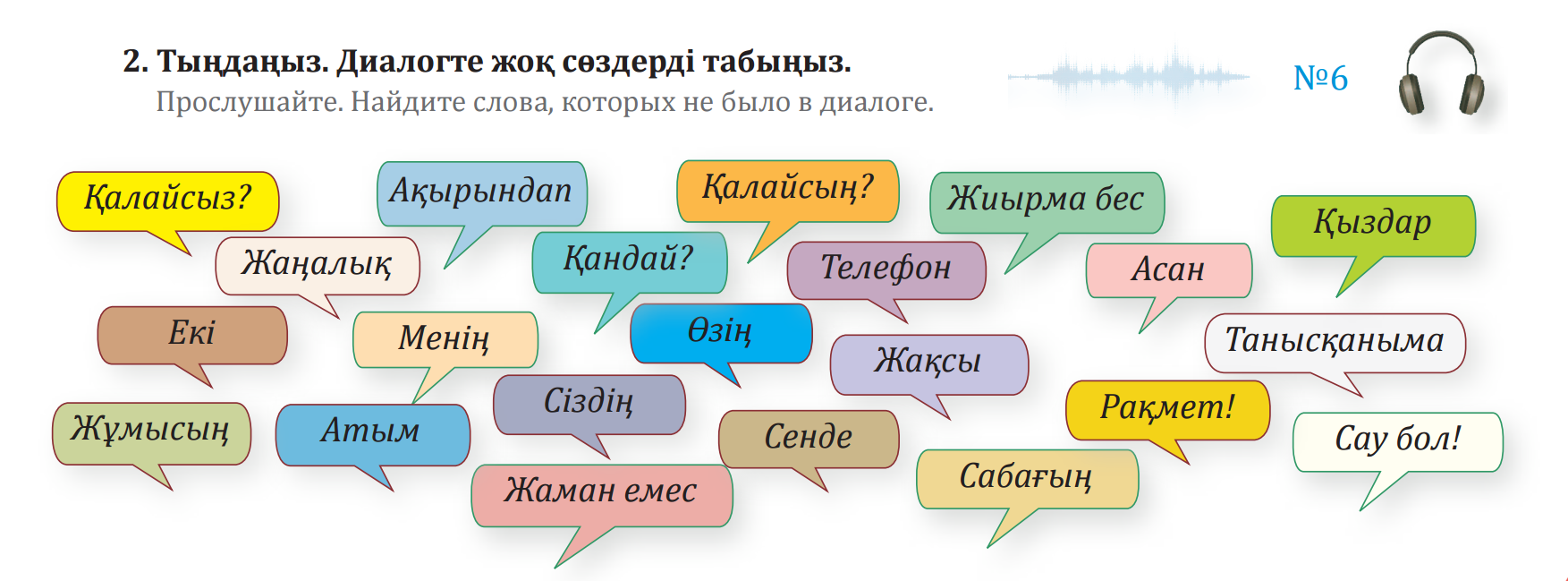
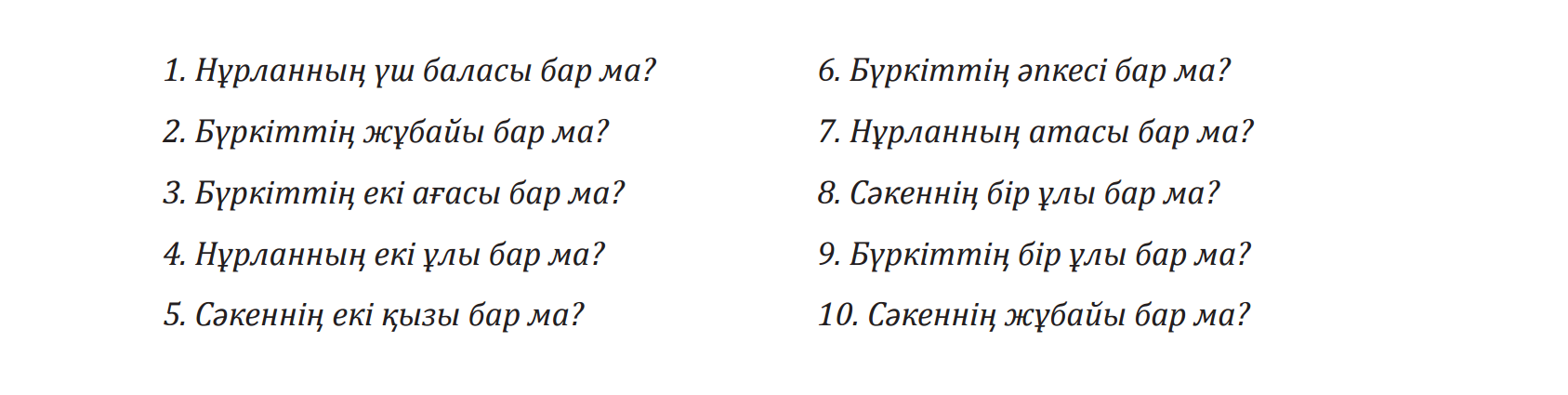
In a Kazakh language textbook published in 2016 in Astana, the Cambria font was used and the Cyrillic lowercase ghe with a stroke (uni0493) was conveyed as shown in the pictures.
1 -
It would be a good idea to ask Alexei Vanyashin who specialises in Kazakh language, but I'm not sure if he is registered here on TD.1
-
We can read Alexey Vanyashin's answer in the font Lora Italic.Michael Rafailyk said:It would be a good idea to ask Alexei Vanyashin who specialises in Kazakh language, but I'm not sure if he is registered here on TD.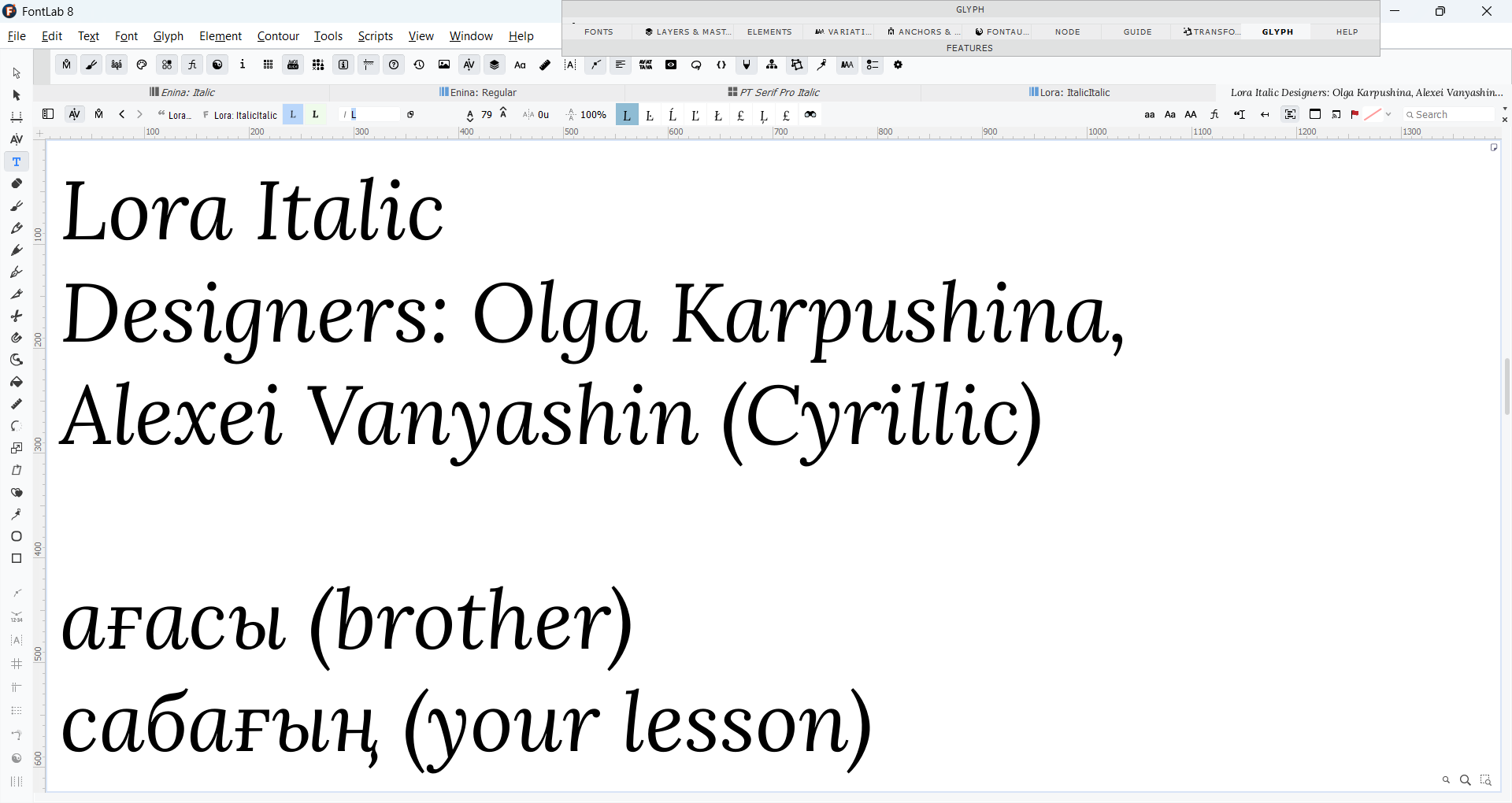
1 -
Hi Stefan,
I am attaching the letterforms I found in archival materials regarding the Cyrillic alphabet we used during the Soviet era. I think it makes more logical sense for the true italic form to be based on the 'г' shape. However, extended Cyrillic glyphs are often rushed and lack proper attention to detail. A good example of this is the letter 'ə', which is often just a flipped 'e' added to the font.
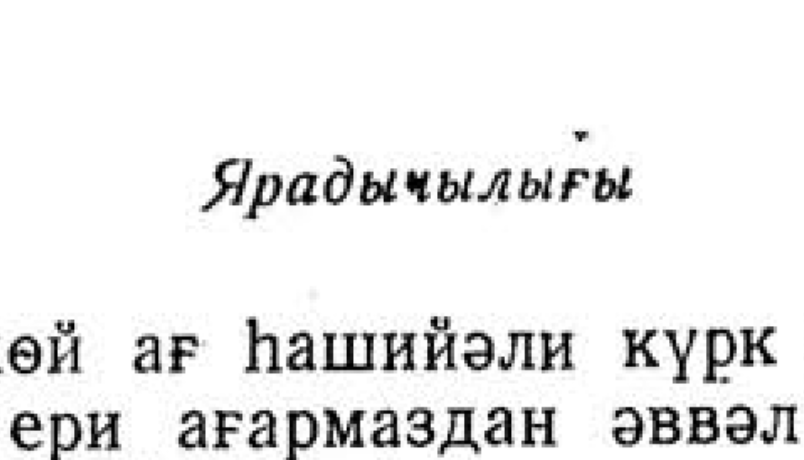
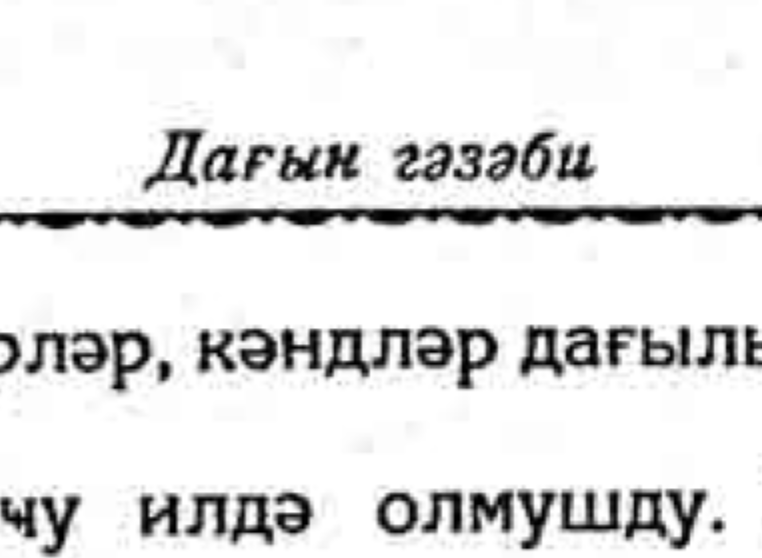
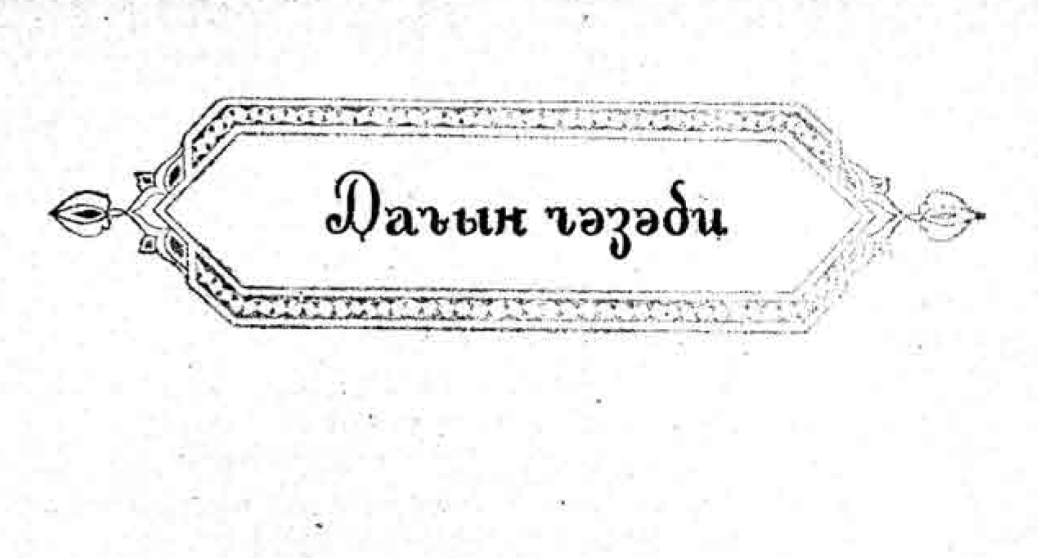
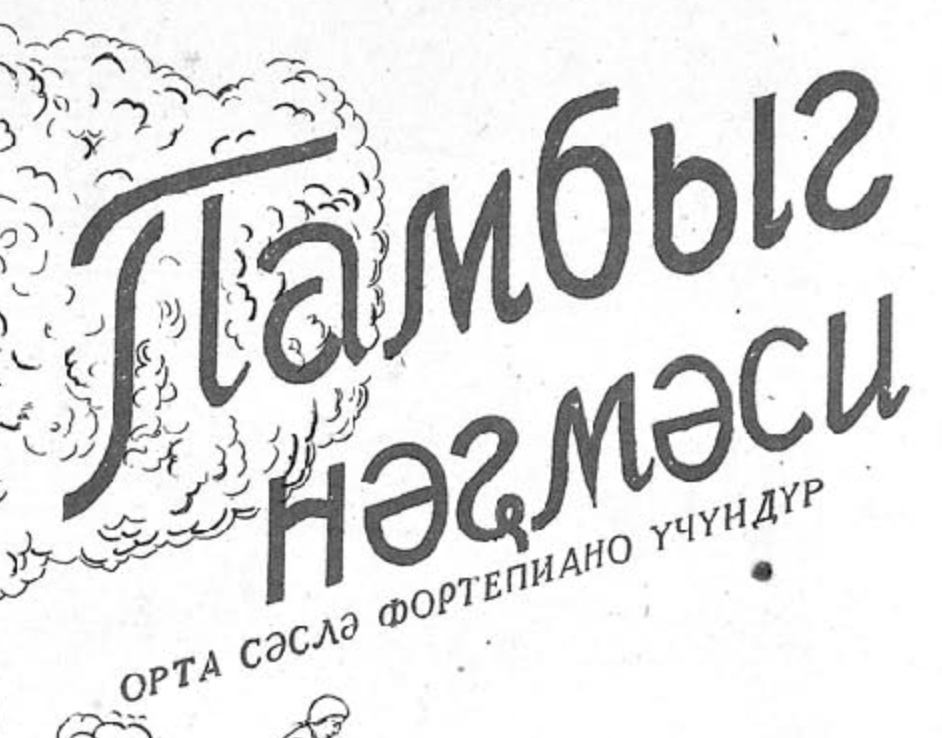 2
2 -
Michael Rafailyk said:It would be a good idea to ask Alexei Vanyashin who specialises in Kazakh language, but I'm not sure if he is registered here on TD.Alexei also reviewed my Ysabeau; here's what I got.
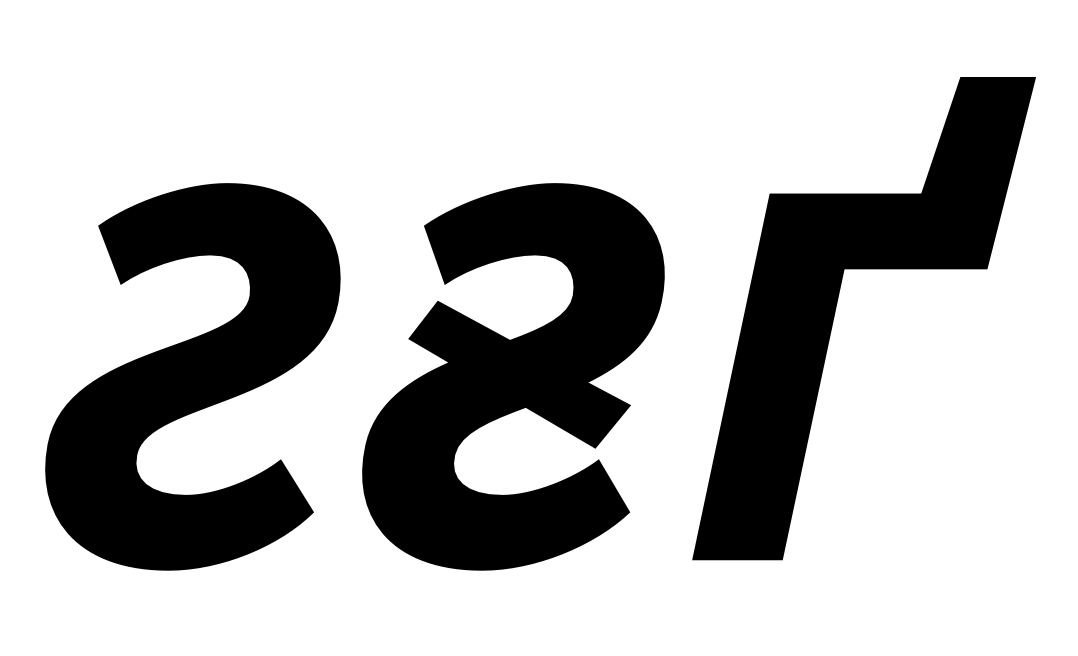 1
1 -
We can read Alexey Vanyashin's answer in the font Lora Italic.We can read one of his answers in Lora Italic. There may well be more than one answer, depending on a variety of factors in the design and purpose of the individual typeface.
2 -
An additional solution is to ask a dozen native speakers (not type designers necessarily) to write on paper a word in upright and script, while not drawing their attention to the issue letter. On Reddit, any general forum, social network, etc.
Or at least put a poll with two offered solutions for native speakers to choose from.
As Tural wrote, many extended Cyrillic fonts simply replicate misinformed solutions from the past. In my opinion, if there is no clearly established standard from a relevant source (native type design study) then I would rely on 1) general type design theory, 2) vernacular written understanding of the letterform.
Both these approaches guarantee at least some quality. Replicating existing forms does not guarantee anything.2 -
There is this thread, which contains a few handwriting samples specifically for ґ.
https://typedrawers.com/discussion/4745/cyrillic-handwriting-font1





Categories
- All Categories
- 46 Introductions
- 3.9K Typeface Design
- 488 Type Design Critiques
- 571 Type Design Software
- 1.1K Type Design Technique & Theory
- 658 Type Business
- 870 Font Technology
- 29 Punchcutting
- 528 Typography
- 121 Type Education
- 327 Type History
- 80 Type Resources
- 111 Lettering and Calligraphy
- 32 Lettering Critiques
- 79 Lettering Technique & Theory
- 560 Announcements
- 95 Events
- 116 Job Postings
- 169 Type Releases
- 179 Miscellaneous News
- 269 About TypeDrawers
- 53 TypeDrawers Announcements
- 114 Suggestions and Bug Reports