Fractions rendered in other languages

In Hiroshi Komiyama’s (小宮山博史) magnum opus Mincho Types: Their Origin and Development (2020, Japanese title: 明朝体活字 その起源と形成), there’re some wonderful fractions (p. 381 and 394):
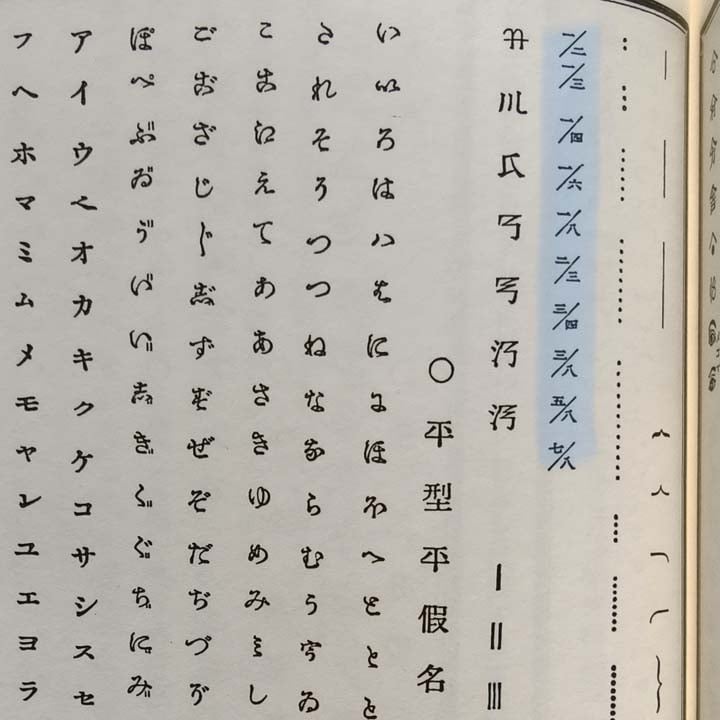
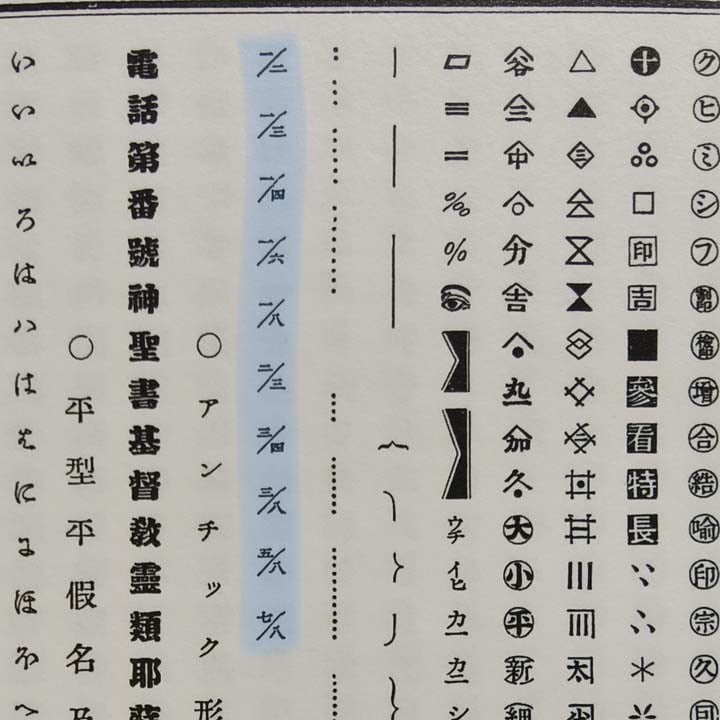
These fractions are composed with Chinese numerals (一, 二, 三, &c.) instead of Hindu–Arabic numerals (1, 2, 3, &c.). From top to bottom, they represent ½, ⅓, ¼, ⅙, ⅛, ⅔, ¾, ⅜, ⅝, and ⅞, respectively. All were cast on full em-square body.
Understandably, Unicode doesn’t encode these Chinese-numeral glyph variants. But I wonder what would be the best practice to bring these fractions (as rendered in other languages) into the digital age.
Here’s a mockup (done at the typesetting level, not at the font level, the title says “full-width fractions”):
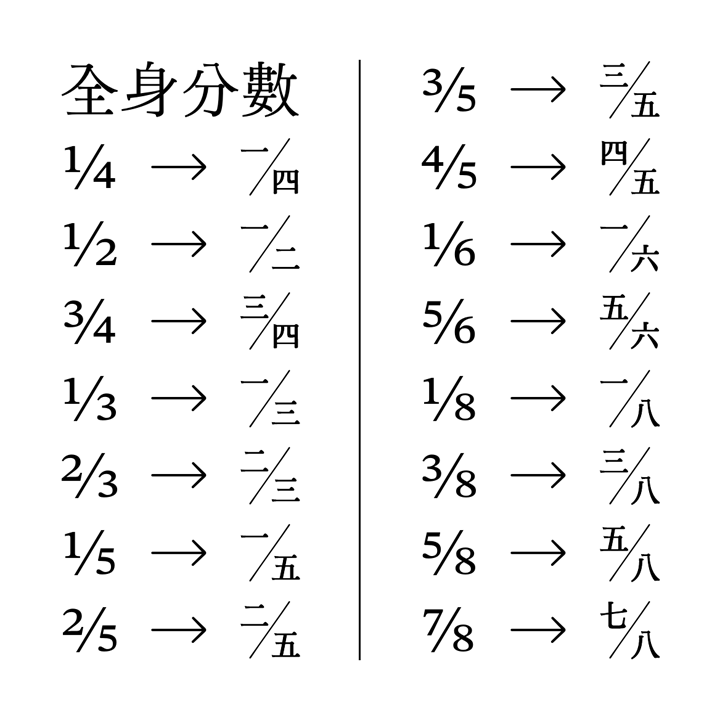
P.S. Here’s a table of the numeral correspondence:
| H–A | Name | CJK | Name |
|---|---|---|---|
| 0 | zero |
〇 | ideographiczero |
| 1 | one |
一 | uni4E00 |
| 2 | two |
二 | uni4E8C |
| 3 | three |
三 | uni4E09 |
| 4 | four |
四 | uni56DB |
| 5 | five |
五 | uni4E94 |
| 6 | six |
六 | uni516D |
| 7 | seven |
七 | uni4E03 |
| 8 | eight |
八 | uni516B |
| 9 | nine |
九 | uni4E5D |
P.P.S. AFAIK, not even the Adobe Japan1-7 “character” set includes these fraction glyphs (I could be wrong), despite the fact that it already includes a ton of annotation forms of the Chinese numerals.
P.P.P.S. How would you approach the encoding and naming of the glyph? Would you map, say ½’s Chinese variant, to U+00BD, or just leave it unencoded? Would you name this Chinese variant onehalf.xxxx or uni4E00_fraction_uni4E8C?
P.P.P.P.S. Other languages welcome!
Categories
- All Categories
- 47 Introductions
- 4.1K Typeface Design
- 505 Type Design Critiques
- 599 Type Design Software
- 1.1K Type Design Technique & Theory
- 683 Type Business
- 915 Font Technology
- 29 Punchcutting
- 550 Typography
- 133 Type Education
- 335 Type History
- 82 Type Resources
- 114 Lettering and Calligraphy
- 33 Lettering Critiques
- 81 Lettering Technique & Theory
- 593 Announcements
- 102 Events
- 120 Job Postings
- 181 Type Releases
- 189 Miscellaneous News
- 270 About TypeDrawers
- 54 TypeDrawers Announcements
- 114 Suggestions and Bug Reports